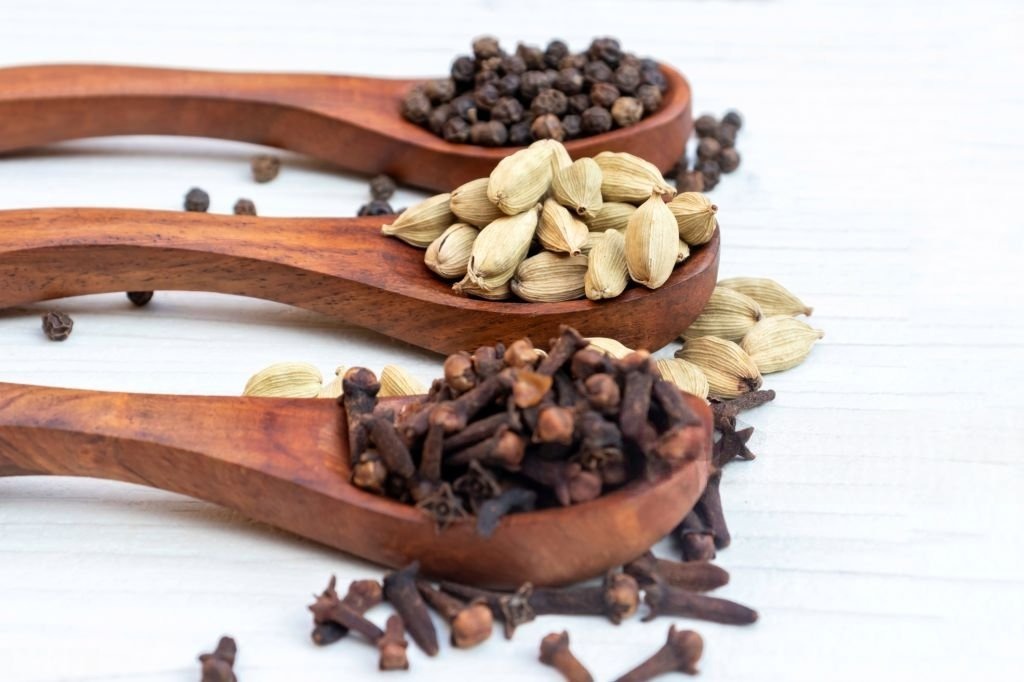

Every kitchen has its celebrities the turmeric that gets the Instagram post, the cinnamon that stars in the holiday baking, the saffron that gets a dedicated jar. And then there are the quiet achievers: the spices that show up reliably in every recipe, do magnificent work without complaint, and receive virtually none of the recognition they deserve.
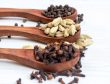
Black pepper, cardamom, and cloves are the backbone of the spice world. They are also, as it happens, three of the most medicinally potent ingredients in your entire kitchen.
Time to give credit where it is rather overdue.
Black Pepper: The King Who Works in Disguise
Le roi des épices de table bien plus que vous ne croyez.
Black pepper is the world’s most traded spice. It has been used for millennia as currency, as medicine, and as the foundation of virtually every savoury cuisine on earth. The Romans used it to season everything. Arab traders controlled its supply and grew fabulously wealthy. Wars were fought, trade routes opened, and empires built partly, significantly, because of this small, round, deeply flavourful berry.
And then we started buying it pre-ground in a plastic drum and stopped thinking about it. This was a mistake.
The health case: The active compound in black pepper piperine is one of the most pharmacologically interesting substances in the plant kingdom. As discussed with turmeric, it dramatically enhances the bioavailability of other nutrients and compounds. But it also carries direct benefits of its own: anti-inflammatory activity, antioxidant properties, demonstrated support for digestive enzyme secretion, and early-stage research suggesting benefit for cognitive function.
Piperine has also been shown to inhibit the development of fat cells (a process called adipogenesis) and to support healthy gut permeability the mechanism that determines how well nutrients cross from the digestive tract into the bloodstream.
The quality case: Freshly ground black pepper contains volatile aromatic oils that dissipate rapidly once ground. The difference between freshly cracked whole peppercorns and pre-ground pepper is, to put it plainly, the difference between a real spice and a memory of one. Invest in whole peppercorns. Grind as needed. Never look back.
Cardamom: The Fragrant Overachiever
La cardamome l’épice la plus élégante et la plus utile qui soit.
Cardamom is one of the world’s most expensive spices by weight behind only saffron and vanilla and every penny of that price is justified. Inside each papery green pod is a cluster of small seeds whose fragrance is, quite honestly, extraordinary: floral, camphor-like, citrusy, and sweetly warming all at once.
It is the spice of Scandinavian pastry, South Indian rice dishes, Arabic coffee, and Keralan curries. It is also one of the most comprehensively beneficial spices in traditional medicine.
Digestive support: Cardamom has been used for centuries as a carminative a substance that relieves bloating, gas, and digestive discomfort. Modern research has confirmed that cardamom compounds stimulate bile flow and digestive enzyme activity, and that the essential oils have an antispasmodic effect on the smooth muscle of the gastrointestinal tract. After a rich or heavy meal, a cardamom-spiced tea is not mere tradition it is a sensible digestive intervention.
Antioxidant activity: Cardamom contains cineole, limonene, and a range of other compounds with significant antioxidant and anti-inflammatory properties. Studies have shown measurable reductions in inflammatory markers following regular cardamom consumption.
Oral health: An unexpected benefit cardamom’s antimicrobial properties make it effective against many of the bacterial strains responsible for bad breath and oral infections. This is why a single cardamom pod, chewed after a meal, has been a digestive and oral hygiene tool across South and Middle Eastern cultures for centuries.
Cloves: Small, Intense, and Profoundly Medicinal
Les clous de girofle les plus puissants de tous.
Cloves are the dried flower buds of the Syzygium aromaticum tree. They are small, dark brown, nail-shaped (the name comes from the Latin clavus, meaning nail), and among the most antioxidant-rich foods ever measured.
On the ORAC scale a measure of antioxidant capacity cloves score higher than any other spice and higher than most foods in existence. For context: they contain approximately 30 times the antioxidant capacity of blueberries, which have been marketed for years as a superfood. Cloves have simply never hired a publicist.
Eugenol: The primary active compound in cloves, eugenol, is responsible for both their distinctive warm-anesthetic flavour and much of their medicinal power. It is a natural COX-2 inhibitor targeting the same enzyme pathway as ibuprofen and has demonstrated strong antimicrobial, antifungal, and anti-inflammatory effects. Eugenol is used in dentistry as a topical anaesthetic. It is also what makes cloves particularly effective in treating oral pain.
Blood sugar regulation: Cloves appear to improve insulin sensitivity and support healthy blood sugar metabolism a benefit they share with cinnamon, and which makes them particularly useful in the seasoning of carbohydrate-rich foods.
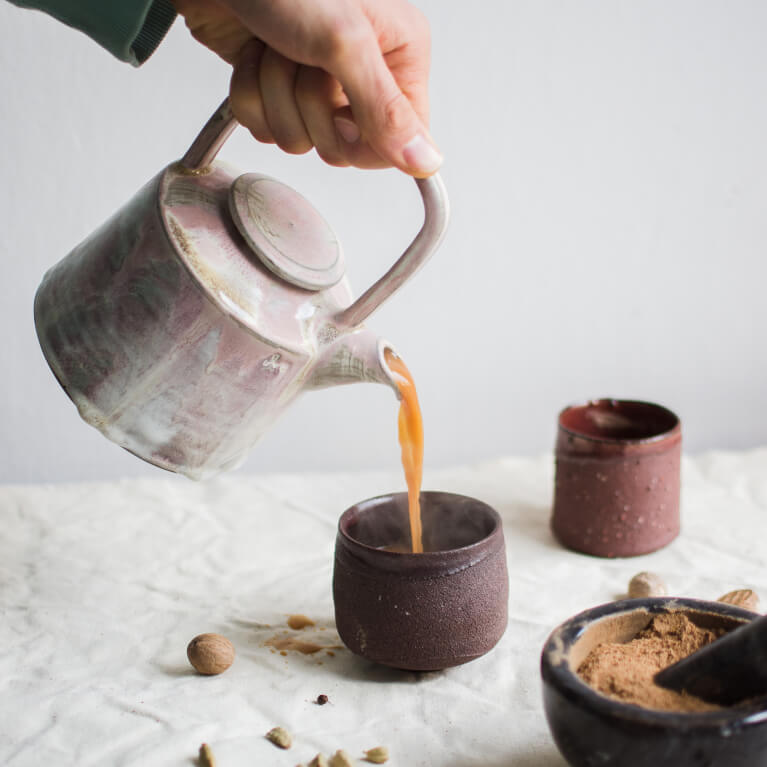
Use them generously. In slow braises, mulled drinks, spiced rice, and baked goods. A whole clove in your morning chai. A few in a pot of slow-cooked lamb. They do not overwhelm if used with intention they deepen.
These three are not background performers. They are the quiet main event.