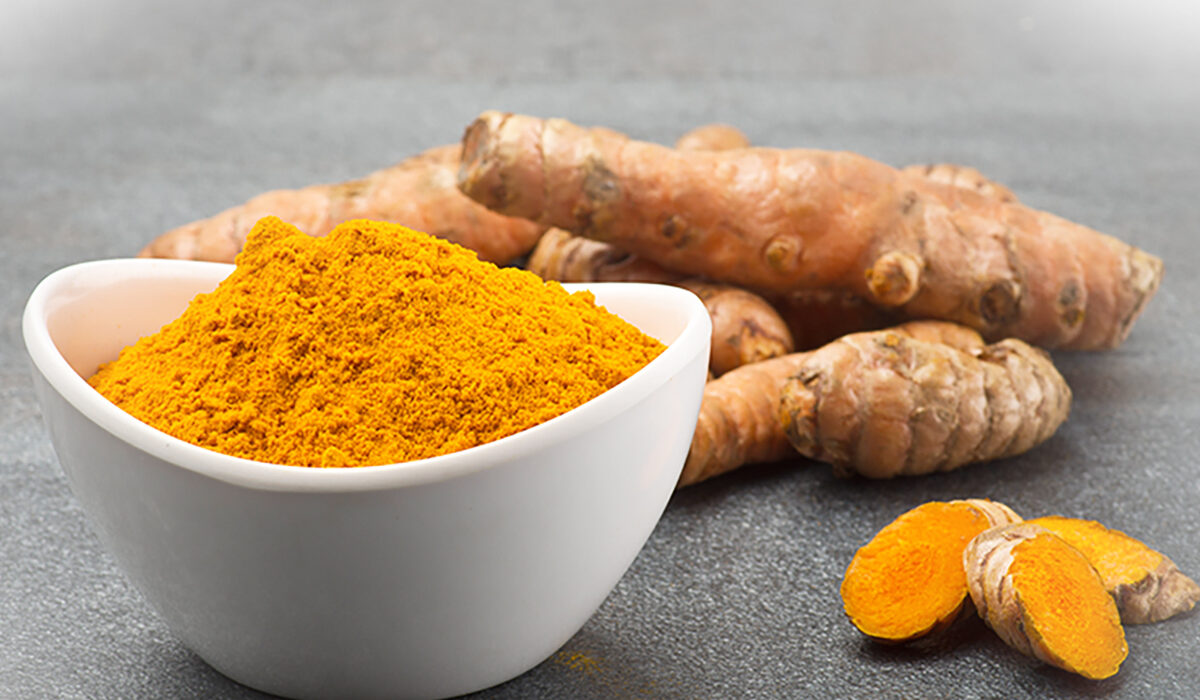
Turmeric: The Golden Truth Behind the World’s Most Celebrated Spice

There are trends in wellness, and then there are truths. Turmeric sits comfortably in both camps embraced enthusiastically by the golden latte generation, but also backed by over four thousand peer-reviewed studies examining its properties with rather more rigour than most “superfoods” ever receive.
The ancient Ayurvedic and Unani medical traditions have used turmeric medicinally for at least four thousand years. Modern science, conducting this particular review rather late, has broadly confirmed what they knew. Curcumin the primary active compound in turmeric is one of the most potent natural anti-inflammatories and antioxidants yet identified.
The question is not whether turmeric works. The question is whether you’re using it properly.
Curcumin: What It Is and What It Does
Curcumin is the polyphenolic compound that gives turmeric its vivid yellow-orange colour and the majority of its medicinal activity. It acts through multiple pathways simultaneously inhibiting inflammatory signalling molecules (including NF-κB, one of the key drivers of chronic inflammation), neutralising free radicals, modulating immune function, and supporting the body’s own antioxidant enzyme systems.
The implication of this multi-pathway activity is significant. Rather than targeting a single mechanism, curcumin operates like an extremely well-read physician aware of many problems at once and addressing several of them simultaneously.
The Anti-Inflammatory Case
Chronic, low-grade inflammation is now considered a central driver of most modern chronic diseases heart disease, Type 2 diabetes, certain cancers, Alzheimer’s disease, and autoimmune conditions among them. The inflammatory process itself is not the problem; it is the body’s natural response to injury and infection. The problem arises when it fails to resolve when the body remains in a low-level state of inflammatory alert for months and years.
Curcumin has demonstrated a capacity to interrupt this cycle. In direct comparative studies, curcumin has shown anti-inflammatory activity comparable to ibuprofen and aspirin without the gastrointestinal side effects that accompany long-term NSAID use. This is a meaningful finding, and it has been replicated across multiple study populations.
The Absorption Problem And Its Solution
Le problème de biodisponibilité et son élégante solution.
Here is the catch that most golden latte recipes fail to mention: curcumin is poorly absorbed by the body in isolation. Taken alone, it passes through the digestive system largely intact and only a tiny fraction reaches the bloodstream.
The solution, happily, is delicious. Two things dramatically increase curcumin’s bioavailability:
Black pepper specifically its active compound piperine inhibits the enzymes that metabolise curcumin before it can be absorbed, increasing its bioavailability by up to 2,000%. This is not exaggeration; this is chemistry. A pinch of good black pepper alongside your turmeric is not optional it is the whole mechanism.
Fat curcumin is fat-soluble, meaning it is absorbed far more effectively when consumed with a source of dietary fat. Cook it in ghee, coconut oil, or olive oil. Add it to a sauce. Stir it into full-fat milk. The fat provides the vehicle; the curcumin provides the benefit.
The ancient South Asian practice of cooking turmeric in oil with pepper the base of essentially every curry was solving the bioavailability problem several millennia before biochemistry existed to explain it. Some knowledge simply arrives early.
Brain Health: The Emerging Frontier
La connexion cerveau-curcumine une promesse scientifique sérieuse.
Perhaps the most exciting emerging area of curcumin research concerns brain health. Studies suggest that curcumin can cross the blood-brain barrier a selective membrane that excludes most large molecules and exert direct effects on brain tissue.
Of particular interest: research showing curcumin’s potential to reduce the accumulation of amyloid plaques associated with Alzheimer’s disease, and to increase levels of BDNF (brain-derived neurotrophic factor) a growth hormone that supports the survival and formation of neurons. Some researchers have described curcumin, with appropriate caution, as one of the most promising natural compounds for neuroprotection yet identified.
This research is ongoing. But the preliminary findings are, to put it mildly, worth following.
How to Use It Daily
Start simple. A half-teaspoon of good-quality turmeric, a crack of black pepper, and a teaspoon of coconut oil or ghee, stirred into warm water or milk first thing in the morning or last thing before bed. This is the classic haldi doodh (turmeric milk) that Sri Lankan and Indian grandmothers have been prescribing for centuries. It works.
From there: add turmeric generously to curries, soups, rice dishes, scrambled eggs, and roasted vegetables. Cook it in oil at the beginning of cooking this blooms the flavour and activates the fat-solubility. Always add pepper. Always use good turmeric.
The quality matters enormously. Cheap, old, or adulterated turmeric contains a fraction of the curcumin of fresh, whole, properly sourced product. This is not a place to economise.