
Open the spice cupboard. Go on. Have a proper look.
There is, in most kitchens, a collection of small jars and tins of varying age, provenance, and if we’re being entirely candid questionable potency. Some of them have been there since the last time someone deep-cleaned the kitchen. One of them may predate your current address.
This is not a trivial matter. Spices are the foundation of flavour. They are also, if sourced and stored properly, among the most nutrient-dense and medicinally active substances in your kitchen. When they degrade and they do degrade, quite significantly you lose not just flavour but the entire point of using them.
Let us have an honest conversation about what spice quality actually means, and why it matters rather more than most people realise.
What Happens When Spices Age
La lente trahison des épices vieilles.
The volatile aromatic compounds that give spices their flavour and their health-giving properties are, by nature, volatile. They evaporate. They oxidise. They degrade in the presence of light, heat, moisture, and time.
A cumin seed bought fresh and whole will be fragrant, oily to the touch, and intensely flavoured. The same seed, two years later in a warm kitchen, will be pale, dusty, and faintly reminiscent of cardboard. The flavour is largely gone. The antioxidants have diminished substantially. The capsaicin, curcumin, piperine, and other active compounds that make spices medicinally interesting have faded to a fraction of their original potency.
When you cook with stale spices, you are adding colour occasionally and very little else. You are certainly not adding the health benefits that are frequently cited as reasons to cook with them.
The Ground vs Whole Debate
Entier ou moulu voilà la question.
Ground spices lose their potency significantly faster than whole ones. The moment a spice is ground, its protective outer layer is broken and its volatile oils are exposed directly to oxygen. Commercially ground spices are typically 6–18 months old before they reach your shelf and then they sit there for however long it takes you to finish the jar.
This is why professional cooks and serious home chefs grind their own. A small spice grinder (or a dedicated coffee grinder) used on whole spices produces something almost incomparably more fragrant and flavourful than anything pre-ground. The extra thirty seconds is not an inconvenience it is the difference between a good dish and an exceptional one.
Whole spices also retain their active compounds far more effectively, making them substantially more valuable from a health perspective. If you are using turmeric, black pepper, cardamom, or cloves for their well-documented health benefits, whole is the only sensible choice.
The Origin Problem: Where Your Spice Comes From Matters Enormously
Le terroir des épices une réalité, pas un mythe.
Not all turmeric is the same. Not all black pepper is the same. Not all cinnamon is the same (a matter we shall address in considerable detail shortly).
The soil in which a spice is grown, the altitude, the rainfall, the harvesting method all of these determine the concentration of its active compounds. High-altitude pepper grown on the Malabar Coast contains meaningfully more piperine than its lowland counterpart. Single-origin turmeric from volcanic Sri Lankan soil may contain curcumin concentrations several times higher than commodity-grade product.
When you buy generic, blended spices from a mass-market supplier, you have no idea of the origin, and therefore no way to assess the quality of what you’re actually getting. When you buy from a supplier who knows their growers who can tell you the estate, the season, the variety you are buying with your eyes open.
Adulteration: The Industry’s Dirty Secret
Ce que vous ne voulez pas trouver dans vos épices.
Adulteration the addition of lower-grade fillers to extend volume is, unfortunately, not rare in the global spice trade. Ground paprika cut with brick dust. Turmeric laced with synthetic yellow dye. Saffron bulked with stamens from other flowers. These are documented, recurring problems.
The solution is not paranoia. The solution is to buy from sources you trust small producers, specialist importers, or brands (like us, though we say so with appropriate modesty) who make transparency part of their offer rather than an afterthought.
What Good Spices Actually Look, Smell & Taste Like
Les signes d’une épice qui vaut la peine.
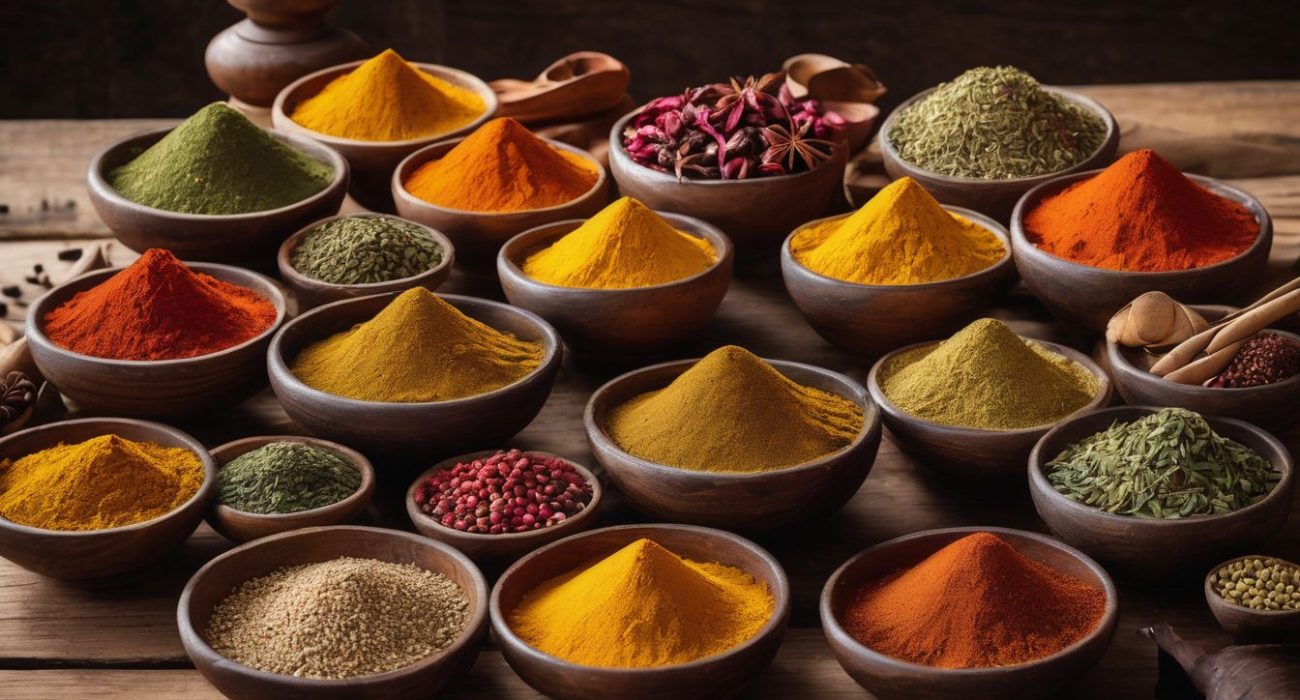
Colour: Vivid, deep, and true. Fresh turmeric should be a blazing ochre-gold. Fresh paprika a rich, saturated red. Pale, dusty, or greyish colouring is always a warning sign.
Aroma: Intense, immediate, and complex. Open the jar and inhale the fragrance should be striking. If you have to press your nose to the spice and concentrate to detect anything at all, it is past its best.
Texture: Whole spices should have weight and density. Ground spices should feel fine and slightly oily, not dry and chalky.
Taste: A tiny pinch on the tongue should deliver a clear, immediate flavour not a faint suggestion of one.
If your spices are not passing these tests, they are not doing the job you think they are. Clear them out. Start again properly. Your cooking and your health will thank you rather quickly.