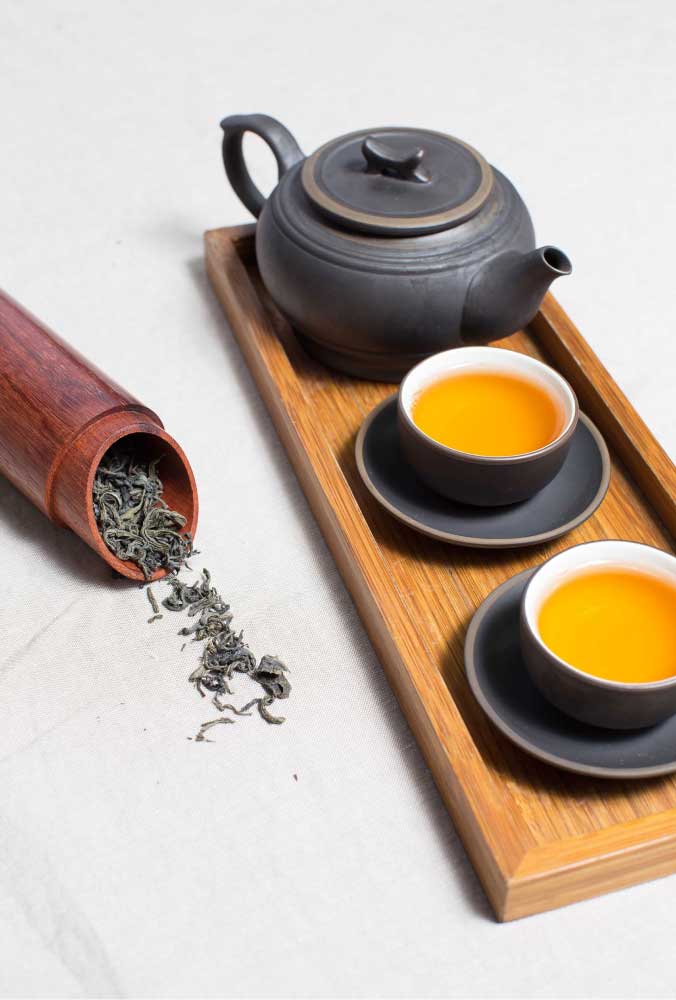
The Cup That Heals: The Remarkable Health Benefits of Ceylon Tea

There is a particular pleasure in knowing that the thing you do for pure enjoyment is also, quietly, doing you a great deal of good. Tea is one of those rare delights a small ceremony of warmth and ritual that also happens to be, by any reasonable scientific measure, rather excellent for the human body.
Ceylon tea, specifically, carries a distinction that blended commodity teas simply cannot claim. Grown at high altitude in Sri Lanka’s Central Province, where cooler temperatures slow the leaf’s growth and concentrate its natural compounds, it is among the most antioxidant-rich teas in the world. This is not marketing. This is botany.
Let us take a proper look at what your daily cup is actually doing for you.
Antioxidants: Your Body’s Invisible Armour
The headline benefit of tea any quality tea lies in its extraordinary concentration of polyphenols. These are naturally occurring plant compounds that act as antioxidants in the human body, neutralising the free radicals that, left unchecked, contribute to cellular ageing and chronic disease.
Ceylon black tea is particularly rich in theaflavins and thearubigins two classes of polyphenols that form during oxidation and are responsible for both the tea’s warm amber colour and its most potent health activity. Studies have linked regular consumption of these compounds to reduced oxidative stress, lower rates of inflammation, and improved markers of overall cellular health.
In other words: your morning cup is, among other things, a rather elegant act of self-preservation.
Heart Health: The Cardiovascular Case for Tea
The evidence connecting regular tea consumption to cardiovascular health is now, frankly, rather difficult to ignore. Multiple large-scale studies including a landmark review published in the European Journal of Preventive Cardiology have found that regular tea drinkers demonstrate meaningfully lower rates of heart disease, stroke, and hypertension than those who don’t drink it at all.
The mechanisms are several. Tea polyphenols appear to improve endothelial function (the health of the cells lining your blood vessels), reduce LDL oxidation (the process by which “bad” cholesterol becomes dangerous), and support healthy blood pressure through mild vasodilatory effects.
Three cups a day, the research suggests, is a rather effective prescription. One that also happens to be thoroughly enjoyable.
Mental Clarity: L-Theanine & The Calm Concentration Effect
Here is where tea distinguishes itself most fascinatingly from coffee. Where coffee delivers caffeine in a fairly blunt instrument of stimulation, tea combines its moderate caffeine content with L-theanine an amino acid found almost exclusively in the tea plant.
L-theanine promotes alpha wave activity in the brain, which is associated with a state of calm, focused alertness. The result is that peculiar tea-drinker’s clarity: awake, engaged, but not jangled. The French have a phrase for it l’esprit vif et tranquille a lively, tranquil mind. Tea delivers this. Coffee, on a bad day, simply shouts.
For those who find high caffeine levels troubling, green and white Ceylon teas offer the L-theanine benefit with considerably less caffeine making them particularly fine choices for an afternoon cup or an evening wind-down.
Gut Health: The Microbiome Connection
More recent research has turned its attention to the relationship between tea polyphenols and the gut microbiome the vast ecosystem of bacteria that lives in the human digestive system and influences everything from immunity to mood.
The findings are encouraging. Tea polyphenols appear to act as prebiotics, selectively feeding beneficial gut bacteria including Lactobacillus and Bifidobacterium species while inhibiting the growth of less desirable strains. Regular tea drinkers tend to show greater diversity in their gut microbiome, which is now widely regarded as one of the most reliable markers of digestive and systemic health.
A good cup of Ceylon tea is, it turns out, good news for the roughly 38 trillion microorganisms that also call your body home. You’re welcome, all of you.
Blood Sugar Management: The Diabetic’s Quiet Ally
Ceylon tea particularly black and green varieties has shown meaningful benefit in studies examining blood sugar regulation. The polyphenols appear to inhibit certain enzymes involved in carbohydrate digestion and glucose absorption, resulting in a more gradual rise in blood sugar following meals.
For those managing Type 2 diabetes or simply seeking to maintain stable energy levels throughout the day, this makes high-quality tea a genuinely useful dietary companion. The key word, always, is quality. Tea dust and fannings the remnants that fill many commercial tea bags carry far fewer of these active compounds than whole-leaf, properly processed Ceylon tea.
A Note on Quality
The benefits outlined above assume something rather important: that the tea in question is actually good tea. Dust-grade, over-processed, or stale tea offers a fraction of the polyphenol content of fresh, high-grown, properly handled leaf.
At Ceywoods, our tea is sourced from high-altitude Nuwara Eliya estates, handled with the kind of care that preserves its natural compounds, and sealed with an attention to freshness that most commercial brands consider unnecessary. It isn’t. It is, rather, the whole point.
Your daily cup deserves to actually do something for you. Make it count.