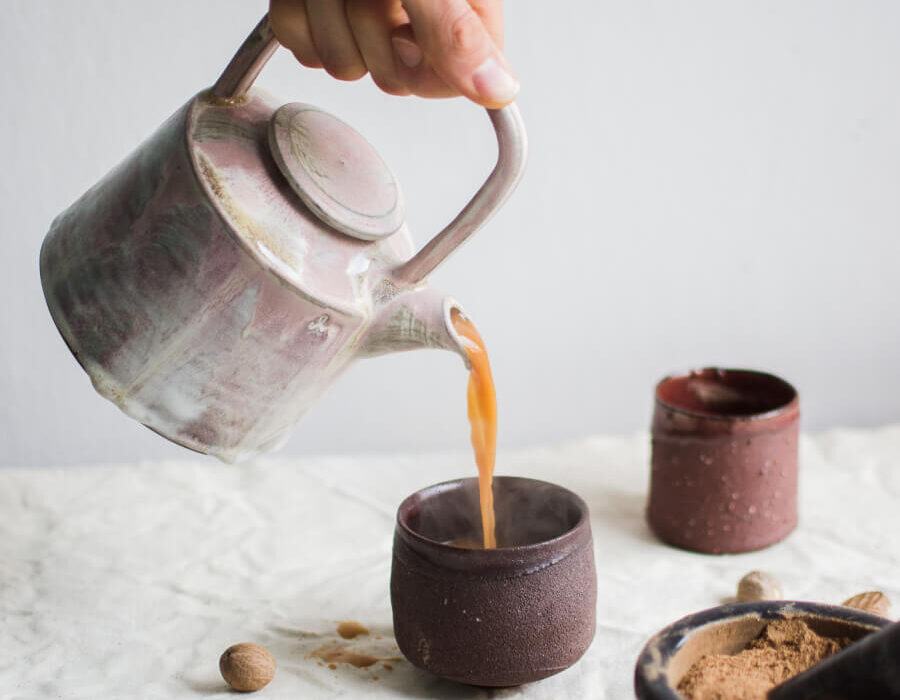

Here is a truth that the tea-bag industry has spent considerable effort obscuring: how you make your tea matters enormously. Not in a fussy, pedantic way nobody is suggesting you consult a lunar calendar before boiling the kettle. But in the way that a properly rested steak matters, or a well-proven bread dough, or a sauce that has been allowed to reduce at its own pace.
Good tea, brewed correctly, is one of life’s more accessible pleasures. Good tea, brewed carelessly, is a waste of good tea.
Let us fix this.
Start With the Water
L’eau le premier ingrédient qu’on néglige.
Tea is approximately 99% water. This is, if you pause to think about it, rather a significant proportion. The mineral content and pH of your water will directly affect the extraction of the tea’s flavour compounds and not always in a good direction.
Heavily chlorinated tap water will impart off-flavours and suppress the delicate aromatic notes of high-quality tea. Heavily filtered or distilled water, conversely, lacks the minerals that help extract flavour efficiently, producing a flat, pallid result.
The ideal is fresh, cold water with a moderate mineral content spring water is reliably good; filtered tap water is generally acceptable. Let it run cold from the tap before filling the kettle. Water that has already been boiled and left standing loses dissolved oxygen and produces a noticeably duller cup.
Temperature: The Most Important Variable Nobody Talks About
La température décisive, souvent ignorée.
Boiling water 100°C is not ideal for most teas. It extracts aggressively, driving out bitterness and tannins that would remain pleasantly suppressed at a slightly lower temperature.
- Black Ceylon tea: 90–95°C. Just off the boil. Give it thirty seconds.
- Oolong tea: 80–90°C. A deliberate pause after boiling.
- Green tea: 70–80°C. Substantially below boiling. Green tea scalded with boiling water turns bitter and grassy in an unpleasant way.
- White tea: 65–75°C. The most delicate variety; the most delicate treatment.
- Herbal infusions: 95–100°C. Full boil, or close to it.
If you don’t own a temperature-controlled kettle and most people don’t the easiest method for cooling water to the right temperature is to pour a splash of cold water into the cup first, then add the just-boiled water. Approximate? Certainly. Effective? Remarkably so.
Loose Leaf vs. Tea Bags: The Honest Conversation
Les feuilles ou le sachet pas vraiment un débat.
Most commercial tea bags are filled with what the industry calls “fannings” or “dust” the very fine particles left over after higher-grade leaves have been sorted and sold. This is not a conspiracy. It is simply how mass production works: the good stuff goes to one market, and the residue goes to another.
Fannings brew quickly and strongly which is why tea bags produce a reliably dark cup but they lack the complexity, nuance, and crucially the intact polyphenols of whole-leaf tea. The greater surface area of dust-grade tea also means it releases tannins (the source of bitterness) far more rapidly than whole leaves.
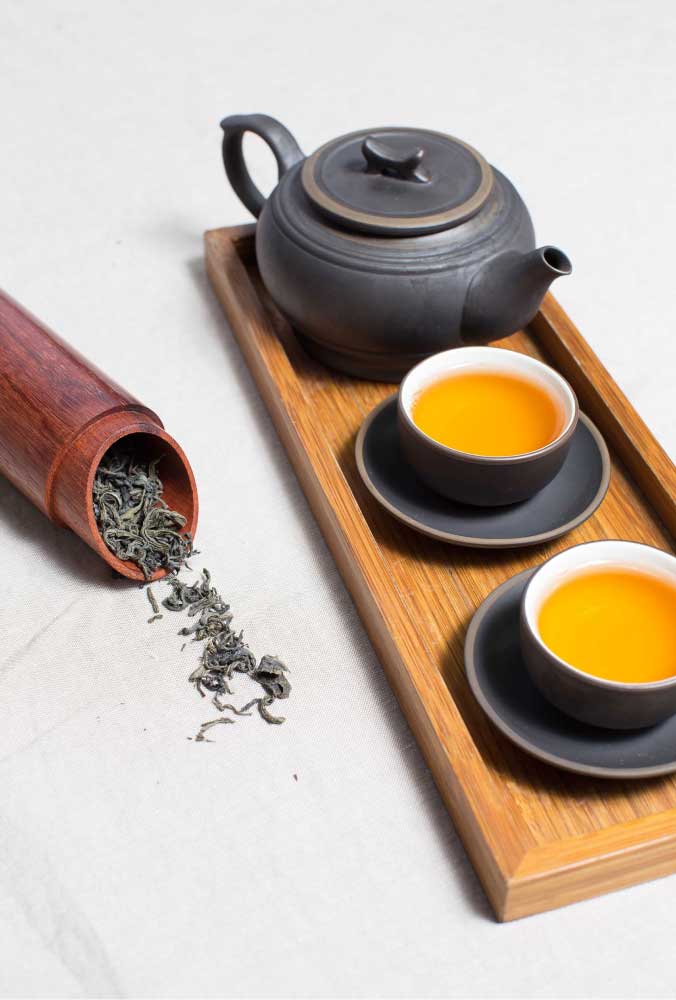
Loose-leaf tea, steeped in a good strainer or a tea pot, allows the leaves room to unfurl and release their flavour gradually and fully. The difference is not subtle. It is, after one comparison, entirely obvious.
Steeping Time: When Patience Pays
Le temps d’infusion une question d’équilibre.
Over-steeping extracts tannins and produces bitterness. Under-steeping produces a thin, flat, unsatisfying cup. The window between the two is not as narrow as precision-obsessed tea literature might suggest but it is worth attending to.
General guidelines:
- Black tea: 3–4 minutes
- Green tea: 2–3 minutes
- White tea: 4–5 minutes (at lower temperature, the extraction is slower)
- Oolong: 3–5 minutes, depending on oxidation level
When in doubt, taste as you go. A good tea has something to say throughout its steeping and the right moment becomes clear if you are paying attention.
The Vessel: Not Merely Aesthetic
La théière l’outil qu’on sous-estime.
Tea should be brewed in a pre-warmed vessel. This is not ceremony for its own sake a cold ceramic pot will drop the water temperature by several degrees the moment the water is poured in, and the extraction suffers accordingly. Pour a splash of just-boiled water into the pot or cup, swirl it about, pour it away, and then brew. This is quick. It makes a difference.
The material of the vessel matters less than many purists insist, though porous ceramics and cast iron do impart subtle mineral notes that some find pleasant. Glass is neutral and excellent for observing colour development. The most important thing is that it is warm.
Milk, Lemon, or Alone?
Seul, avec lait, ou avec citron la question éternelle.
This is largely a matter of personal preference, but a few notes:
Milk (dairy or otherwise) binds with tea tannins and softens bitterness, which is why it works so well with robust black teas. It does, however, reduce the polyphenol availability some research suggests dairy milk in particular forms complexes with tea antioxidants that reduce their absorption. If you are drinking tea primarily for health benefit, consider taking it without milk.
Lemon reduces the tannin astringency and brightens the flavour it works particularly well with light, floral Ceylons and green teas.
High-quality Ceylon tea, brewed correctly, often needs nothing at all. Try it plain. You may be pleasantly surprised by what you’ve been masking.
Brew with intention. The cup rewards it.