The Anti-Inflammatory Pantry: Building a Kitchen That Works For You

Inflammation is one of those words that has migrated from medical textbooks to wellness culture with some loss of meaning along the way. Used correctly, it describes one of the body’s most important protective mechanisms the response to injury, infection, or threat that brings immune cells and healing compounds to exactly where they are needed.
The problem the specifically modern problem is what happens when that response refuses to switch off.
Chronic, low-grade inflammation persistent, systemic, and often undetected is now understood to be a significant driver of heart disease, Type 2 diabetes, obesity, certain cancers, depression, Alzheimer’s disease, and autoimmune conditions. It is not, in most cases, caused by a single pathology. It is caused by the accumulated effect of years of diet, lifestyle, and environmental factors that keep the body’s inflammatory signalling in a state of low-level activation.
The good news is that diet is one of the most powerful levers available for addressing it. And many of the most effective dietary interventions begin, rather beautifully, in the spice rack.
What Makes a Food Anti-Inflammatory?
Ce qui distingue un aliment anti-inflammatoire une réponse précise.
The most consistently anti-inflammatory dietary patterns share several features: they are rich in polyphenols (the antioxidant compounds found in plants, spices, and tea), low in refined sugars and processed oils, and built around whole, minimally processed ingredients.
The Mediterranean diet is the most studied of these patterns, and decades of research consistently associate it with lower rates of cardiovascular disease, cognitive decline, and systemic inflammation. The traditional Sri Lankan diet rich in vegetables, legumes, coconut, and extensively spiced shares many of the same principles. It is, nutritionally, something of an undiscovered gem.
Building an anti-inflammatory pantry means stocking it with ingredients that actively contribute polyphenols, omega-3 fatty acids, fibre, and specific bioactive compounds to your daily diet while reducing the refined, ultra-processed foods that continuously nudge the body toward inflammation.
The Essential Anti-Inflammatory Spice Shelf
Les épices fondamentales organisées avec intention.
Turmeric + Black Pepper: The cornerstone. Used together (the black pepper increases curcumin absorption by up to 2,000%), this pairing delivers one of the most potent natural anti-inflammatory compounds available. Use daily. Cook it in a small amount of fat. Never without the pepper.
Ceylon Cinnamon: A multi-tasker of remarkable potency blood sugar regulation, antioxidant activity, and direct anti-inflammatory effect through cinnamaldehyde, its primary active compound. True Ceylon cinnamon only; cassia carries a coumarin burden that makes therapeutic quantities inadvisable.
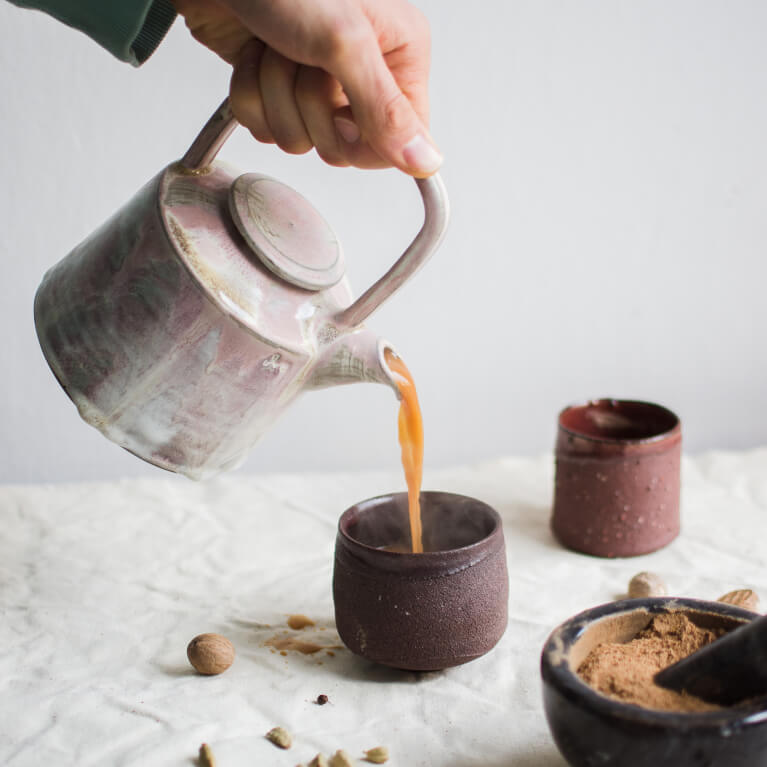
Cloves: Among the highest antioxidant values of any food ever measured. Use generously in slow-cooked dishes, teas, and spiced drinks. The eugenol they contain is a direct COX-2 inhibitor the same pathway targeted by ibuprofen.
Ginger: Not a Ceywoods product, but too important to omit. Gingerols and shogaols the active compounds in ginger are potent anti-inflammatories with particularly good evidence in the context of joint inflammation and muscular soreness.
Cardamom: Rich in cineole and other anti-inflammatory compounds, with particular benefit for digestive inflammation and metabolic health.
The Tea Dimension
Le thé une habitude qui travaille en silence.
A daily habit of quality tea two to four cups contributes a significant daily dose of polyphenols that accumulate their anti-inflammatory effect over weeks and months.
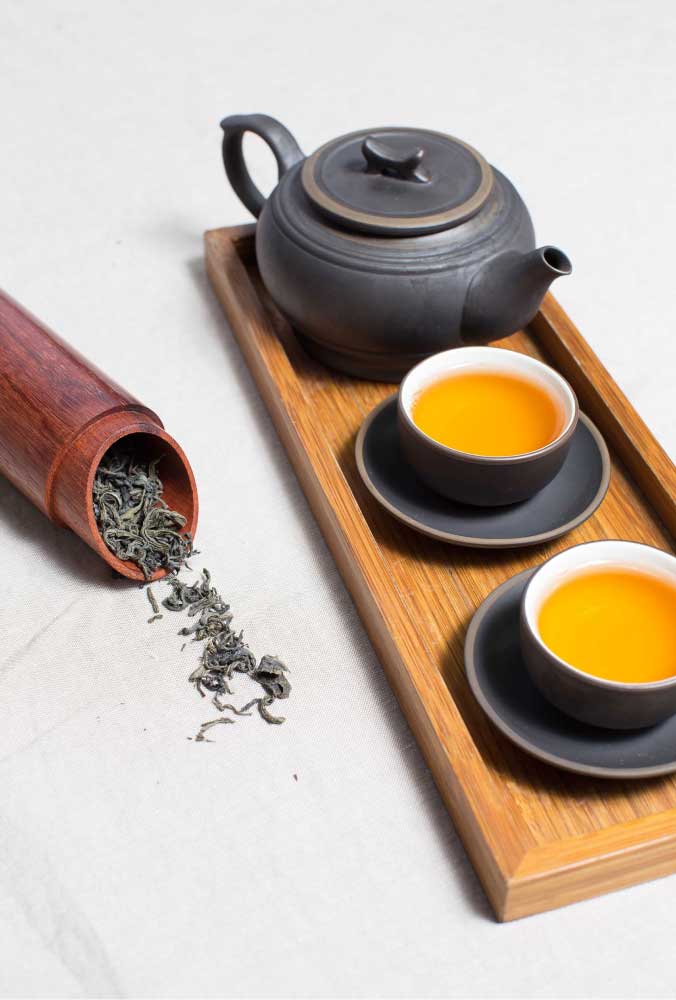
Black Ceylon tea’s theaflavins and thearubigins target inflammatory cytokines and free radicals. Green tea’s EGCG (epigallocatechin gallate) is one of the most studied natural anti-inflammatories in the scientific literature, with particularly strong evidence for metabolic and cardiovascular benefit.
White tea the least processed of all tea types retains the highest levels of certain catechins, providing anti-inflammatory benefit with particularly gentle caffeine levels. For those managing chronic conditions, a white tea in the evening is both pleasant and genuinely useful.
The key, always, is quality. Polyphenol content varies enormously with leaf grade and processing method. Dust-grade tea bags deliver a fraction of what whole-leaf, properly handled Ceylon tea provides.
Practical Pantry Building: Where to Begin
Par où commencer l’approche pragmatique.
You do not need to overhaul your kitchen overnight. The most sustainable pantry transformation is a gradual one clearing out what isn’t working and replacing it, purposefully, with what is.
Start with the spice rack. Clear anything that is more than 12 months old (ground spices) or 18-24 months old (whole spices). Replace with whole, single-origin spices from a source you trust. The investment is modest. The flavour improvement is immediate.
Replace your tea bags. Move to loose-leaf Ceylon tea. Keep a good strainer. Brew properly. This one change will alter both the quality of your daily pleasure and the quantity of polyphenols you consume.
Add cinnamon to your cooking. Not just baking. Add it to curries, to rice, to warm drinks, to porridge. Ceylon cinnamon, properly sourced, can feature in your cooking daily without concern.
Cook with whole spices. Bloom them in oil at the start of cooking. This activates the fat-soluble compounds and develops flavour simultaneously. It takes thirty extra seconds. It makes an enormous difference.
A Note on Realism
Un mot de réalisme parce que la perfection est l’ennemi du bien.
An anti-inflammatory pantry is not a miracle cure and should never be presented as one. It is one component of a broader lifestyle alongside sleep, movement, stress management, and the reduction of ultra-processed foods that, taken together, provides your body with the conditions it needs to manage its own inflammatory processes effectively.
But it is a meaningful component. And it is one of the most enjoyable to build.
Good food properly sourced, thoughtfully prepared, and generously spiced is one of life’s most reliable pleasures. The fact that it is also doing your health a quiet, continuous service is perhaps the most elegant bargain available.
Stock well. Cook with intention. Eat with pleasure.